
A potato war has been simmering for decades between the US and Japan. It’s about to reach boiling point
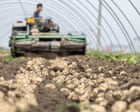
Under pressure from Donald Trump, Japan’s government could be about to lift a ban on imported American potatoes, which famers say would threaten their livelihoods It could be a piping hot croquette eaten on the go, a bowl of nikujaga stew or a plate of home-cooked chips. One culinary thread runs through them all – the Japanese potato. Along with rice, the crop is fiercely protected as one of only a few homegrown staples in a country that imports more than 60% of its food.
But that could be about to change. Under pressure from Donald Trump, Japan is moving towards lifting a 76-year-old ban on imported American potatoes. Japan’s potato farmers say lifting the ban would threaten their livelihoods, and expose consumers to an inferior product.
They worry batches of American potatoes could bring harmful insects and pests into Japanese fields. Tokyo partially lifted the ban in 2006 to permit imports of US potatoes exclusively to make crisps. The vegetables must be transported in sealed containers and then cooked at a high temperature to prevent the spread of pests and diseases.
But a complete lifting of the ban would put fresh American potatoes on restaurant menus and supermarket shelves for the first time since 1950. “We have repeatedly and unequivocally stated our opposition to imports,” said Toshihide Numasawa, an employee of the Japan Agriculture group in Hokkaido, where about 80% of the country’s potatoes are grown. He said there were various reasons for the objection, including the “risk of pests and diseases entering the country and damage to Hokkaido’s production areas.”


মতামত দিন